

Arthur Besse
cultural reviewer and dabbler in stylistic premonitions
- 3 Posts
- 29 Comments

 2·1 month ago
E: old thinkpad gang input: take the time to reapply thermal grease to the cpu at some point. It makes a huge difference.
What’s a “gang input”?
😂 it’s an input to this discussion from a member of the group of people (“gang”) who have experience with old thinkpads. and yes, if your old thinkpad (or other laptop) is overheating and crashing, reapplying the thermal paste is a good next step after cleaning the fans.
 31·1 month ago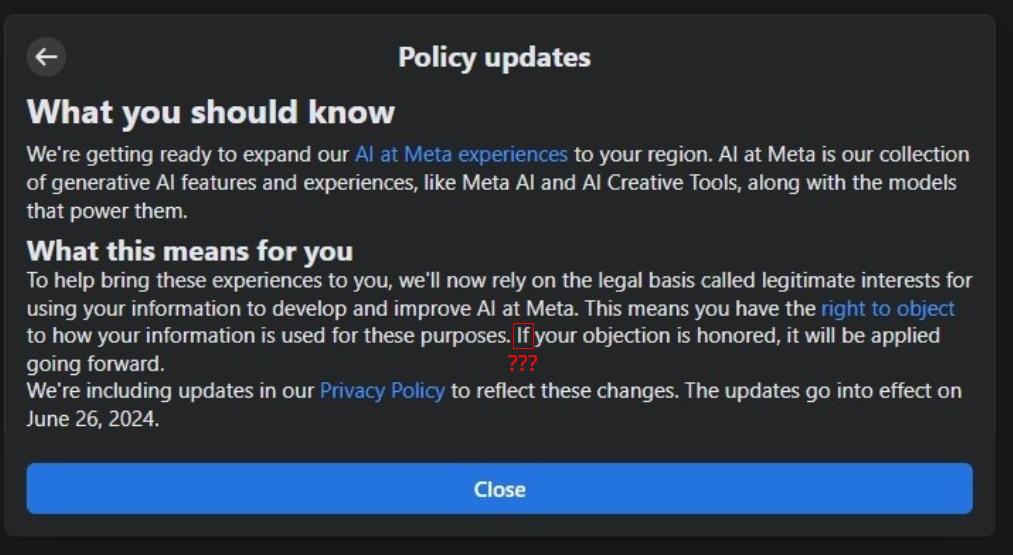
If your objection is honored, it will be applied going forward

xzbot from Anthony Weems enables to patch the corrupted liblzma to change the private key used to compare it to the signed ssh certificate, so adding this to your instructions might enable me to demonstrate sshing into the VM :)
Fun :)
Btw, instead of installing individual vulnerable debs as those kali instructions I linked to earlier suggest, you could also point debootstrap at the snapshot service so that you get a complete system with everything as it would’ve been in late March and then run that in a VM… or in a container. You can find various instructions for creating containers and VMs using debootstrap (eg, this one which tells you how to run a container with
systemd-nspawn; but you could also do it with podman or docker or lxc). When the instructions tell you to rundebootstrap, you just want to specify a snapshot URL likehttps://snapshot.debian.org/archive/debian/20240325T212344Z/in place of the usual Debian repository url (typicallyhttps://deb.debian.org/debian/).
A daily ISO of Debian
testingor Ubuntu 24.04 (noble) beta from prior to the first week of April would be easiest, but those aren’t archived anywhere that I know of. It didn’t make it in to any stable releases of any Debian-based distros.But even when you have a vulnerable system running sshd in a vulnerable configuration, you can’t fully demo the backdoor because it requires the attacker to authenticate with their private key (which has not been revealed).
But, if you just want to run it and observe the sshd slowness that caused the backdoor to be discovered, here are instructions for installing the vulnerable liblzma deb from snapshot.debian.org.
 7·2 months ago
Mattermost isn’t e2ee, but if the server is run by someone competent and they’re allowed to see everything anyway (eg it’s all group chat, and they’re in all the groups) then e2ee isn’t as important as it would be otherwise as it is only protecting against the server being compromised (a scenario which, if you’re using web-based solutions which do have e2ee, also leads to circumvention of it).
If you’re OK with not having e2ee, I would recommend Zulip over Mattermost. Mattermost is nice too though.
edit: oops, i see you also want DMs… Mattermost and Zulip both have them, but without e2ee. 😢
I could write a book about problems with Matrix, but if you want something relatively easy and full featured with (optional, and non-forward-secret) e2ee then it is probably your best bet today.
Ok, you and @[email protected] are both mods of /c/[email protected] now. Thanks!
Ok, I just stickied this post here, but I am not going to manage making a new one each week :)
I am an admin at lemmy.ml and was actually only added as a mod to this community so that my deletions would federate (because there was a bug where non-mod admin deletions weren’t federating a while ago). The other mods here are mostly inactive and most of the mod activity is by me and other admins.
Skimming your history here, you seem alright; would you like to be a mod of /c/[email protected] ?
As of today, NixOS (like most distros) has reverted to a version slightly prior to the release with the Debian-or-Redhat-specific sshd backdoor which was inserted into xz just two months ago. However, the saboteur had hundreds of commits prior to the insertion of that backdoor, and it is very likely that some of those contain subtle intentional vulnerabilities (aka “bugdoors”) which have not yet been discovered.
As (retired) Debian developer Joey Hess explains here, the safest course is probably to switch to something based on the last version (5.3.1) released prior to Jia Tan getting push access.
Unfortunately, as explained in this debian issue, that is not entirely trivial because dependents of many recent pre-backdoor potentially-sabotaged versions require symbol(s) which are not present in older versions and also because those older versions contain at least two known vulnerabilities which were fixed during the multi-year period where the saboteur was contributing.
After reading Xz format inadequate for long-term archiving (first published eight years ago…) I’m convinced that migrating the many projects which use XZ today (including DPKG, RPM, and Linux itself) to an entirely different compression format is probably the best long-term plan. (Though we’ll always still need tools to read XZ archives for historical purposes…)
for those unfamiliar: Reflections on trusting trust by Ken Thompson


+1 to ctrl-alt-fsomething (start at f1 and go up to move through the different virtual terminals). once in a while there are graphics problems which this will fix.
If you’re using GNOME Shell on X you can reload the shell (and all of its extensions) with alt-f2 and then in the “Run a command” dialog that appears type
rand hit enter. Unfortunately this doesn’t work in GNOME on Wayland.
via this thread here is a 🧲 magnet link for a torrent someone made containing “all their Github issues, the git repo on its last version, the latest available release binaries from the Github page, and all of their progress reports from the Yuzu website”.
So it will be only Systemd
what? no. did you read the linked post? Some desktop environments will have more functionality and work better if you do use it, but (for now, at least) you can still run even GNOME under OpenRC if you want.
someone did that before microsoft had even released WSA but I don’t see anything about people doing it recently. probably someone is working on it right now though, given this news.


https://web.archive.org/web/20240303071843/https://github.com/yuzu-emu/yuzu/commits/master/
-> latest commit hash as of march 3rd was
15e6e48bef0216480661444a8d8b348c1cca47bb-> https://duckduckgo.com/?q=15e6e48bef0216480661444a8d8b348c1cca47bb (many copies of the repo exist)



/r/shittyaskredditwasn’t supposed to be an instruction manual 🙄